


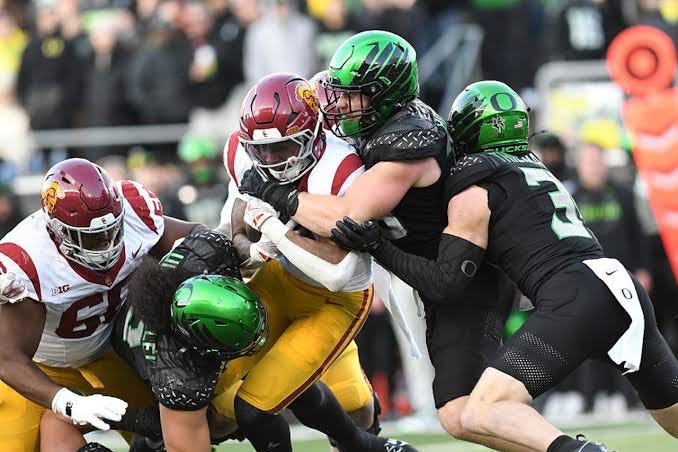
There are two ways to look at USC’s offense through four games. The obvious one starts with Jayden Maiava, the passing production, the touchdowns and an offense that has moved the football against everybody it has played. It looks explosive because USC scores a lot of points, Maiava is putting up the kind of passing totals we have come to expect from a Lincoln Riley quarterback and the Trojans have enough skill around him to turn ordinary opportunities into something larger. The advanced data, however, suggests that explosiveness is only part of the story and probably not even the most important part for Oregon.
USC has built this offense by refusing to waste plays. The Trojans have been one of the more consistently successful offenses in the country on a down-to-down basis, particularly when they throw the football, and they have done it without allowing opponents to create many of the negative plays that normally derail possessions. Their rushing attack fits the same profile. It has been productive enough to maintain balance without being completely dependent upon home-run runs, which means Lincoln Riley can stay patient and keep using the entire field rather than waiting for one individual play to rescue a drive.
That matters because USC does not necessarily need to turn first-and-10 into a 70-yard touchdown. It is perfectly comfortable turning first-and-10 into second-and-5, then asking Oregon to defend the entire call sheet again. When that happens repeatedly, the burden eventually shifts to the defense. Linebackers begin creeping toward the line of scrimmage, safeties become more involved in fitting the run and underneath defenders start anticipating the throws they have already seen several times. That is when Riley begins finding the space created by everything that happened before it.
For Oregon, that probably makes the first two downs of every possession more important than whatever happens on third down.
